
Seasonal activities can help assisted living residents maintain routines, enjoy familiar traditions, and stay connected with other people. The most successful activities are not necessarily elaborate. They are comfortable, adaptable, and matched to residents’ interests, abilities, energy levels, and cultural backgrounds.
For residents of Hollidaysburg, PA, seasonal planning should also account for cold winters, changing weather, warm summers, and occasional limits on outdoor mobility. A thoughtful activity calendar gives residents options indoors and outside without making participation feel required.
What makes a seasonal activity suitable for assisted living?
A suitable activity is safe, flexible, and meaningful. It should allow residents to participate in different ways rather than assuming everyone can stand for long periods, travel far, remember complex instructions, or tolerate noise.
Helpful adaptations may include:
- Seated versions of crafts, exercise, gardening, and games
- Large-print instructions, calendars, song sheets, or recipes
- Extra time for residents who need slower transitions
- Quiet alternatives for people who become overwhelmed in groups
- Familiar objects, music, foods, and traditions that encourage conversation
- Participation by observation, storytelling, or helping with setup
Activities should also be reviewed for fall risks, food allergies, infection-control concerns, temperature changes, and the needs of residents living with dementia or other cognitive changes.
Which spring activities work well for older adults?
Spring activities can focus on fresh air, renewal, music, and simple gardening. Outdoor time is especially valuable after a long winter, but activities should be scheduled around comfortable temperatures and dry walking conditions.
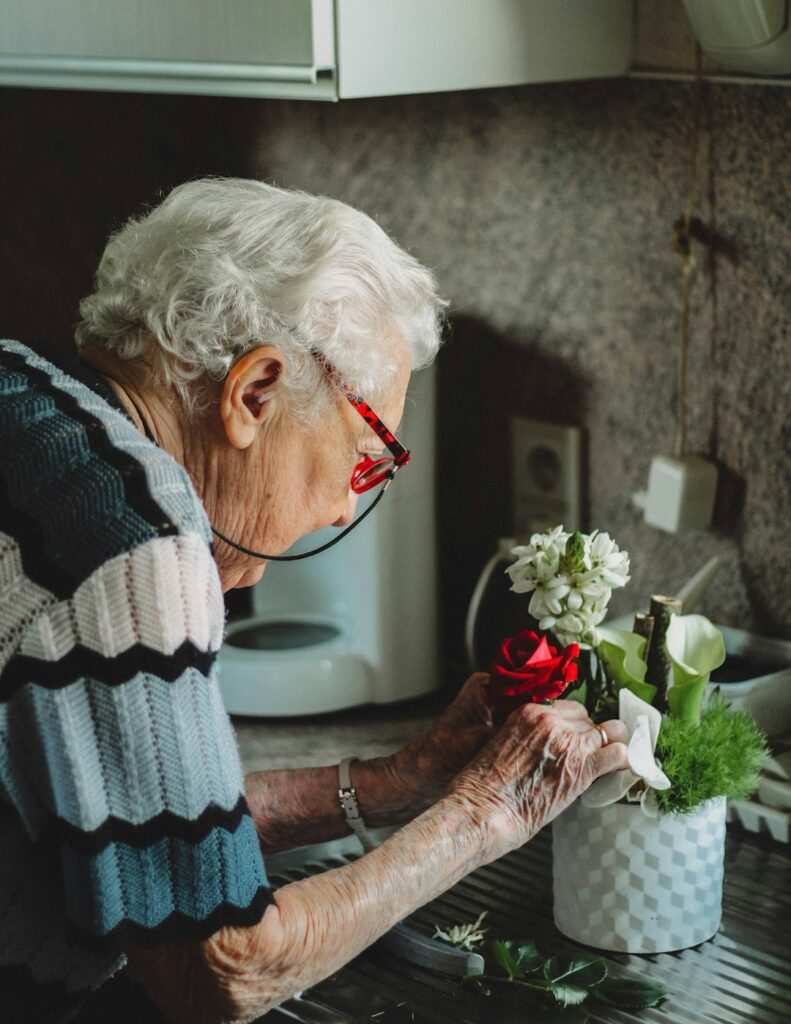
Residents might help plant herbs or flowers in raised containers, decorate small pots, or sort seeds by color and size. Gardening does not have to involve kneeling or lifting. A table-height planter, indoor windowsill garden, or supervised watering task can provide the same sense of purpose.
Other spring ideas include:
- Bird-watching from a window, porch, or accessible outdoor area
- Pressing flowers or creating nature collages
- Spring cleaning of a memory box or personal photo collection
- Listening to seasonal music and sharing childhood memories
- Preparing simple fruit dishes or lemonade
- Discussing local weather changes and favorite spring traditions
Spring weather can change quickly in the region. Outdoor plans should have an indoor alternative, and residents should have access to shade, seating, water, and appropriate layers.
How can summer activities remain safe and enjoyable?
Summer activities should be planned during cooler parts of the day, often in the morning or early evening. Heat, humidity, sun exposure, and dehydration can affect older adults more quickly than they realize.
Indoor summer programs may include tropical music, beach-themed crafts, travel discussions, ice cream history, or visits from musicians and storytellers. A simulated “garden walk” using flowers, herbs, nature sounds, and photographs can offer seasonal stimulation without exposing residents to high temperatures.
For outdoor activities, consider:
- Short walks with shaded rest areas
- Container gardening near a building entrance or patio
- Outdoor reading or poetry groups
- Watercolor painting of flowers or landscapes
- Seated lawn games with lightweight equipment
- Frozen fruit treats or flavored water
- Evening music programs when temperatures are lower
Residents may not always recognize thirst, and some medical conditions or medications can affect fluid balance. Staff should follow each resident’s care plan and facility procedures rather than treating summer hydration as a one-size-fits-all issue.
What are good fall activities for assisted living residents?
Fall activities often appeal to residents because they connect with harvest memories, school traditions, changing leaves, and family gatherings. These themes can encourage storytelling even for people who do not usually join structured programs.
A fall memory table might include pumpkins, apples, dried leaves, fabric textures, old-fashioned kitchen tools, or photographs of rural landscapes. Residents can identify objects, describe how they were used, or compare past and present seasonal routines.
Practical activities include:
- Decorating pumpkins with paint, fabric, or large stickers
- Making fall centerpieces without candles or sharp tools
- Baking or assembling simple seasonal snacks
- Listening to harvest and folk music
- Creating a group quilt square or leaf collage
- Hosting a sweater-weather tea or cider hour
- Taking a supervised drive or walk to view changing foliage, when appropriate

Wet leaves, uneven ground, and early darkness can increase fall risks. Outdoor routes should be checked carefully, and indoor programs can provide the same seasonal experience when conditions are poor.
Which winter activities help residents stay engaged?
Winter activities should address more than holiday celebrations. Residents may have different religious traditions, cultural backgrounds, family experiences, or feelings about the season. A balanced calendar can include music, crafts, exercise, conversation, and quiet recreation throughout the winter.
Indoor activities may include:
- Reminiscence groups about winter traditions
- Large-piece puzzles and card games
- Chair-based stretching or movement sessions
- Knitting, simple weaving, or no-sew crafts
- Reading groups with short stories or poetry
- Indoor herb gardening
- Snowflake, mitten, or nature-themed decorations
- Cooking demonstrations using familiar winter foods
For residents living with dementia, familiar sensory activities can be particularly useful. The smell of cinnamon, the feel of soft fabric, or a well-known song may encourage engagement without requiring long explanations.
Winter also calls for attention to lighting, footwear, entrances, and transportation. Ice and snow can limit outdoor access, while shorter daylight hours may affect mood and sleep patterns. Indoor access to windows, sunlight, gentle movement, and social contact can help maintain a regular daily rhythm.
How can families participate without making activities stressful?
Family participation works best when it supports the resident’s preferences rather than adding pressure. A short visit, shared recipe, recorded story, or conversation about a seasonal object may be more comfortable than a large gathering.
Families can contribute by bringing labeled photographs, familiar music, safe craft materials, or stories about past traditions. They may also help a resident participate in a group activity while respecting the person’s need for rest or privacy.
A resident does not have to finish a project, stay for an entire program, or participate publicly for the activity to be worthwhile. Listening, watching, reminiscing, or spending time near others can all be meaningful forms of participation.
How should activities be adapted for changing abilities?
Activities should be adjusted as residents’ mobility, vision, hearing, memory, or stamina changes. The goal is not to preserve an activity exactly as it was, but to preserve the resident’s connection to its purpose.
For example, a resident who once enjoyed gardening might now sort seed packets, smell herbs, choose flower colors, or water a small planter. Someone who cannot bake independently may still measure ingredients, decorate cookies, or talk about family recipes.
Clear choices are often more effective than open-ended questions. Asking, “Would you like to paint a flowerpot or listen to music?” may be easier than asking, “What would you like to do?” Staff and families should watch for signs of fatigue, frustration, pain, or overstimulation and offer breaks without treating them as failure.
Why does seasonal variety matter?
Seasonal variety gives residents familiar markers of time and opportunities to anticipate something enjoyable. It also prevents the activity calendar from becoming repetitive or disconnected from residents’ memories.
A strong program includes a mix of movement, creativity, conversation, sensory experiences, quiet time, and social interaction. It recognizes that participation may look different from day to day.
In Hollidaysburg, changing weather may require flexibility, but it also provides many natural themes for conversation and activity. Watching snow from a window, discussing spring planting, observing summer storms from indoors, or sharing memories of autumn routines can help residents remain connected to the seasons and to one another.
