

Assisted living can help prevent senior isolation by creating regular opportunities for conversation, shared activities, meals, movement, and emotional support. For older adults in Hollidaysburg, PA, this structured environment may reduce the long periods of solitude that can develop when driving becomes difficult, family members live elsewhere, or household responsibilities become harder to manage.
What does senior isolation mean?
Senior isolation is a lack of regular social contact, meaningful interaction, or dependable connection with other people. It is different from choosing to spend time alone. A person may enjoy quiet time and still have a healthy social life, while another person may feel lonely even when others are nearby.
Isolation can develop gradually. Common contributing factors include:
- Living alone after the death of a spouse or close friend
- Hearing or vision changes that make conversation difficult
- Stopping driving or limiting travel
- Mobility problems, chronic illness, or fatigue
- Moving away from a familiar neighborhood
- Family members having work, school, or caregiving responsibilities
- Anxiety about falling or navigating public spaces
- Seasonal weather that makes leaving home less comfortable
In a community with changing weather and periods of snow, ice, or extreme temperatures, older adults may spend more time indoors. That can make an existing lack of connection more noticeable, particularly for residents who no longer drive.
How does assisted living create more daily social contact?
Assisted living brings many routine activities into a shared setting. This can make social interaction part of the normal day instead of something an older adult must arrange independently.
Shared dining is one example. Eating in a common area gives residents regular chances to greet familiar people, have brief conversations, and form friendships over time. Even short exchanges can provide a sense of recognition and belonging.
Common areas also matter. Lounges, activity rooms, outdoor spaces, and hallways create informal opportunities to talk. A resident does not always need to join a large group to benefit from social contact. Sitting near others, watching an activity, or sharing a cup of coffee may be a comfortable first step.
Staff members also provide consistent human contact. A friendly check-in, help with a daily task, or conversation about a resident’s interests can help break up long stretches of solitude.
Which activities help older adults feel connected?
Activities are most useful when they reflect residents’ abilities, preferences, and life experiences. Assisted living programs may include:
- Group exercise, stretching, or walking
- Arts, crafts, music, and games
- Discussion groups and educational programs
- Gardening or seasonal outdoor activities
- Religious or reflective gatherings
- Celebrations, birthdays, and shared meals
- Opportunities to help with small community tasks
- Visits with family members, children, or pets when permitted
The value of an activity is not limited to entertainment. Repeated participation helps residents recognize one another, develop routines, and build relationships. A person who is hesitant to join a large event may feel more comfortable with a smaller conversation group or a familiar weekly activity.
Meaningful roles can be especially helpful. Folding towels, helping arrange materials, welcoming another resident, or sharing a personal skill may give an older adult a feeling of purpose rather than simply providing something to do.
Can assisted living help someone who is shy or socially withdrawn?
Yes, but social connection usually develops gradually. Moving into a shared setting does not automatically make a person outgoing, and pressure to participate can have the opposite effect.
A thoughtful approach may begin with low-pressure contact:
1. A staff member learns the resident’s interests and usual routines.
2. The resident is introduced to one or two people with similar interests.
3. Short activities are offered before larger gatherings.
4. Participation is encouraged but not forced.
5. Staff members watch for signs of discomfort, hearing difficulty, sadness, or fatigue.
Some residents prefer one-on-one conversation, quiet observation, or small groups. Others may become more social after they feel physically secure and familiar with their surroundings. Patience is often more effective than insisting that a person attend every event.
How does assisted living support family relationships?
Assisted living can make family visits more manageable by providing a predictable setting and shared spaces for conversation. Relatives may spend less time handling every household task and more time visiting, listening, and participating in an enjoyable activity.
Regular communication can take several forms:
- Scheduled visits
- Telephone calls
- Video conversations
- Shared meals
- Letters, cards, or photographs
- Participation in family events
- Involvement in hobbies or personal projects
Family members can also ask specific questions rather than relying only on “How are you?” Questions about a favorite activity, a new acquaintance, a meal, or a memory from the week may lead to a more meaningful conversation.
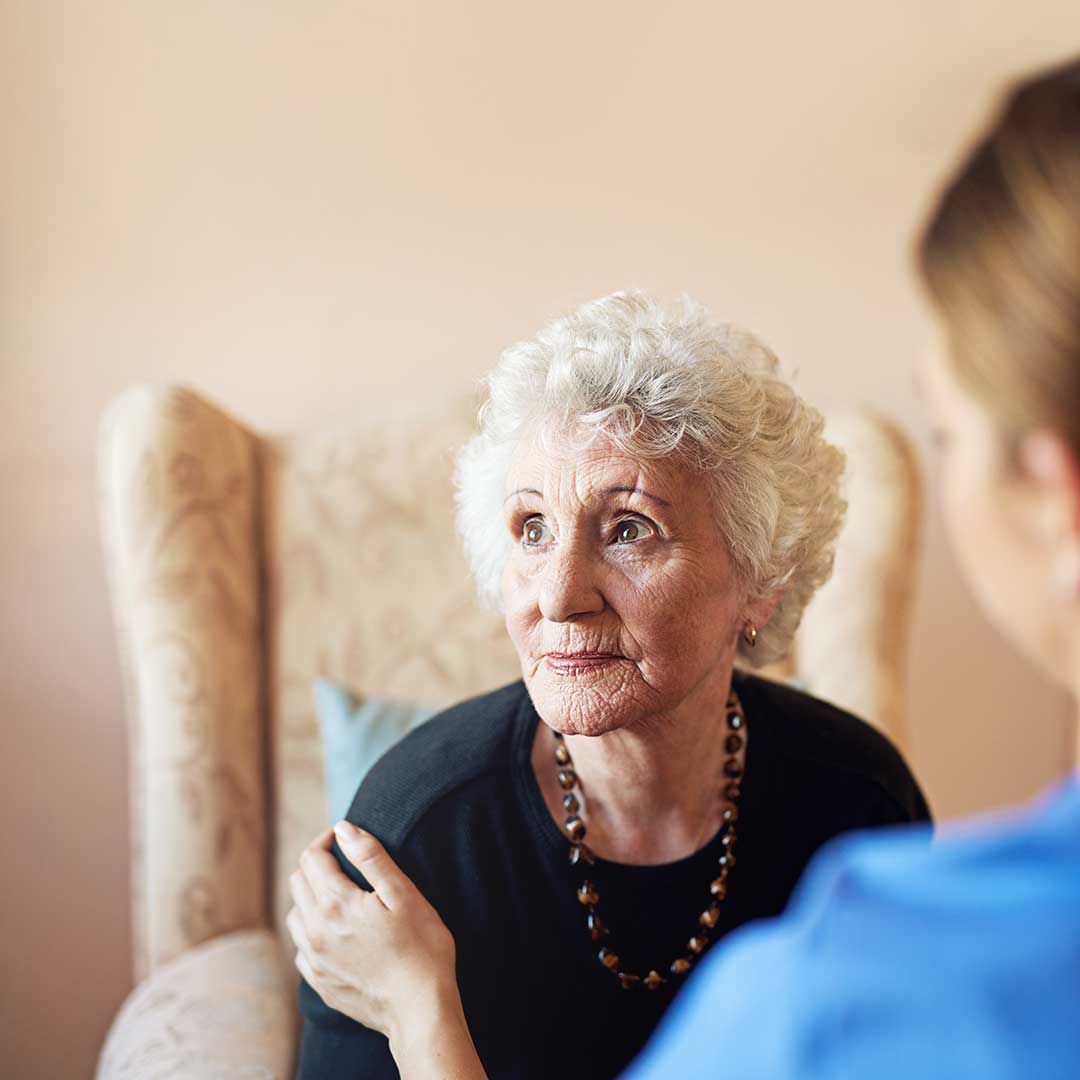
Living in assisted living does not replace family contact. It can provide an additional layer of connection between visits, especially when relatives cannot be present every day.
What overlooked factors can increase isolation?
Hearing loss, vision changes, and difficulty following group conversations are sometimes mistaken for disinterest. A resident may stop attending activities because it is hard to hear instructions, recognize faces, or keep up with conversation.
Physical discomfort can have a similar effect. Pain, poor sleep, medication side effects, or incontinence concerns may cause someone to remain in a private room. Transportation limitations, fear of falling, and difficulty using stairs can also reduce participation.
Warning signs may include:
- Spending most of the day alone
- Repeatedly declining previously enjoyed activities
- Eating meals in private more often
- Showing irritability, sadness, or unusual anxiety
- Losing interest in personal appearance or hobbies
- Having changes in sleep or appetite
- Saying that nobody visits or that there is nothing to look forward to
These signs do not always mean isolation is the only problem. Depression, dementia, hearing impairment, medication effects, and physical illness can produce similar changes. A noticeable or persistent change should be discussed with an appropriate healthcare professional or responsible care team, especially if there are concerns about safety, self-neglect, or thoughts of self-harm.
Does assisted living eliminate loneliness?
No. Assisted living can reduce opportunities for isolation, but it cannot guarantee that every resident will feel connected. Loneliness may continue after a move because of grief, personality, cognitive changes, strained family relationships, or difficulty adjusting to a new environment.
The transition itself can be emotionally demanding. A person may miss a former home, familiar neighbors, pets, routines, or a spouse. Early support should include listening to those losses rather than treating them as a problem that can be solved with activities alone.
A useful plan considers the resident’s preferences:
- Does the person prefer quiet conversation or busy group events?
- Are there cultural, spiritual, or personal routines that should continue?
- Is hearing or vision support needed?
- Would a roommate, small group, or individual companion be more comfortable?
- Which hobbies or responsibilities helped the person feel useful?
- How often can family members realistically maintain contact?
What can families do after a move?
Families can support connection by maintaining predictable contact and showing interest in the resident’s everyday life. A consistent short visit may be more reassuring than occasional visits that are difficult to anticipate.
It also helps to share useful information about the resident’s history, interests, communication style, and former routines. Specific details can help staff and other residents find natural points of connection.
For households in Hollidaysburg, seasonal planning may also be practical. During winter weather or other periods when travel is harder, families can arrange regular phone or video contact and send familiar activities, photographs, or letters. These small routines help maintain continuity when in-person visits are less frequent.
Assisted living addresses isolation through repeated human contact, shared routines, accessible activities, and opportunities for purpose. The strongest results usually come from matching those opportunities to the individual rather than assuming that every resident wants the same kind of social life.
