

How Are Mental Health and Assisted Living Connected for Seniors?
Assisted living environments have a direct impact on the mental well-being of older adults. These communities are designed to offer support with daily tasks, but emotional and psychological needs are just as important as physical care. In Hollidaysburg, where the climate and pace of life can change with the seasons, social opportunities and a sense of routine provided by assisted living can significantly affect residents’ mental health.
Many seniors in assisted living experience life changes such as loss of independence, bereavement, or health setbacks. These transitions sometimes contribute to depression, anxiety, or loneliness. Practical support—like medication reminders and structured activities—combined with opportunities for social interaction, can help maintain a positive outlook.
What Mental Health Challenges Do Older Adults in Assisted Living Commonly Face?
The most common mental health issues for older adults in assisted living are depression, anxiety, and, in some cases, cognitive decline such as mild memory loss or early dementia.
Quick facts:
- Depression is widely underdiagnosed in older adults because symptoms may be mistaken for “normal aging.”
- Anxiety may worsen with unfamiliar routines or after a move.
- Isolation, especially during colder months or winter storms common in the city, can heighten sadness or confusion.
Effective assisted living environments recognize these risks and adapt with wellness checks and group activities, even during periods when outdoor access is limited.
How Does Assisted Living Support Residents’ Mental Health?
Assisted living communities use a variety of methods to support emotional well-being:
- Consistent daily routines, which can be grounding for those experiencing anxiety or memory concerns
- Frequent opportunities for social interaction—group meals, hobby clubs, and organized gatherings help reduce loneliness
- Access to mental health professionals, sometimes virtual when local options are limited
- Regular wellness checks to monitor mood and behavior changes
Seasonal activities—such as indoor crafts in winter or gardening in summer—help participants stay engaged regardless of the weather. Community rooms, libraries, and accessible outdoor spaces also provide outlets for socializing and relaxation.
What Should Families Look for When Considering Assisted Living and Mental Health?
A good assisted living community will make resident mental wellness a priority. Families researching options in or near Hollidaysburg should consider:
- How staff members notice and respond to changes in residents’ attitudes or mood
- The consistency and variety of activities that appeal to different personalities
- Training for staff in recognizing early signs of mental health issues
- The extent to which residents can maintain personal routines and interests
- Options for connecting with friends, family, and the wider community, both in-person and virtually
Families sometimes worry their loved one might be overlooked in a group setting. Asking about individualized attention, frequency of resident check-ins, and options for private conversations with staff can provide reassurance.
Can Assisted Living Help Reduce Loneliness and Social Isolation?
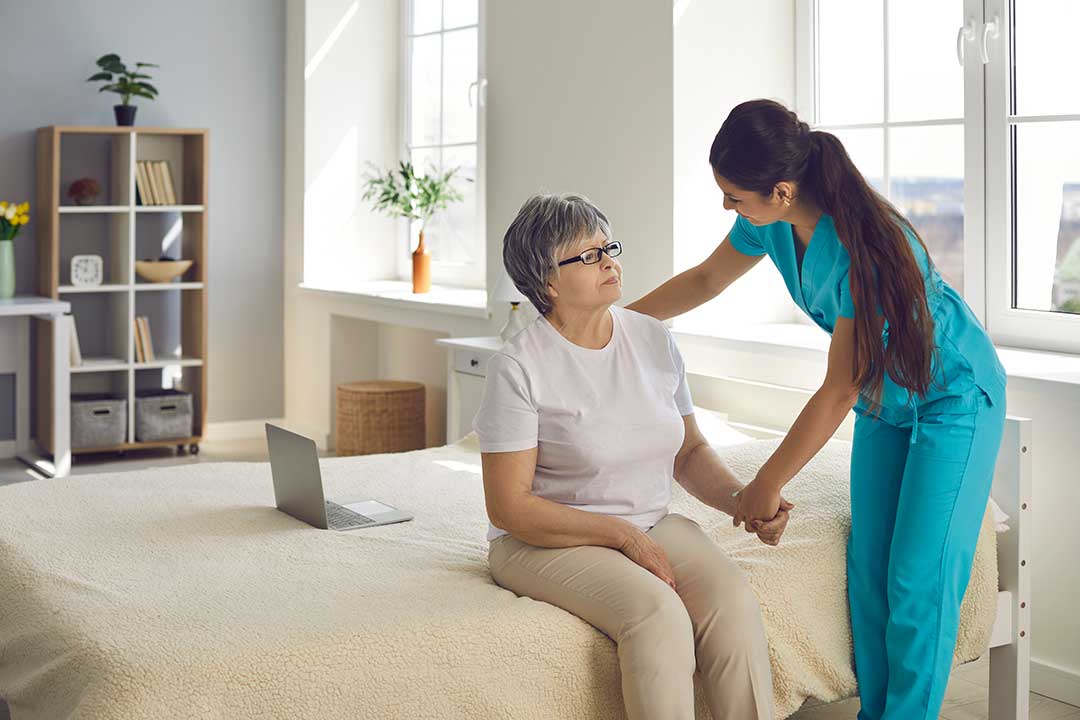
For many seniors, moving to an assisted living residence can actually increase opportunities for friendship and community engagement. Structured group activities, communal dining, and on-site events make it easier for seniors to form connections, which is especially meaningful for those who lived alone before.
During periods when severe weather keeps people indoors, staff often organize games, music, and discussion groups to ensure residents continue to experience social interaction. This kind of planning is especially valued by area households accustomed to long winters.
What Are Common Misconceptions About Senior Mental Health in Assisted Living?
One frequent misconception is that feelings of sadness or worry are inevitable parts of aging. In reality, many symptoms of depression or anxiety can be improved with the right support.
Other misconceptions include:
- Believing that residents will feel abandoned or isolated just by moving into assisted living—many actually feel safer and more connected
- Assuming all memory-related changes are signs of dementia—sometimes they relate to treatable conditions or medication effects
- Thinking mental health concerns should always be managed privately—staff are trained to recognize and respond to these needs
Understanding that emotional changes are not “just aging” helps family members advocate for loved ones and encourages residents to voice their feelings.
How Can Residents and Families Talk About Mental Health Openly?
Conversations about mental health may feel awkward, especially across generations. Brief, direct questions such as “How are you feeling lately?” or “Is anything making you feel anxious?” can open the door to honest discussion.
Seniors sometimes resist sharing difficulties because they don’t want to burden family. Families can help by:
- Creating a calm setting for conversations
- Focusing on specific observations (“I’ve noticed you seem quieter—how are you doing?”)
- Offering reassurance that seeking support is a sign of strength
Knowing that mental health is as important as physical health—and talking about it without judgment—makes it easier for everyone in the community to work together for positive outcomes.
