
Why is Fall Prevention a Priority in Hollidaysburg, PA Assisted Living Communities?
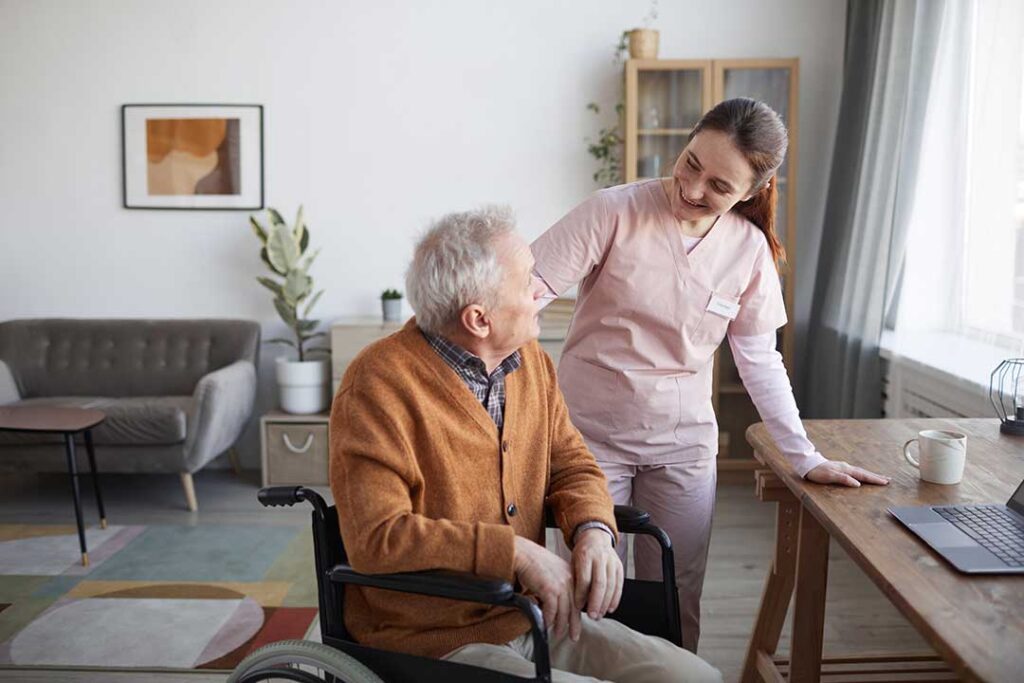
Falls are a leading cause of injury for older adults, often resulting in serious consequences like broken bones, head injuries, or loss of independence. In a community like Hollidaysburg, PA, where many residents cherish their continued autonomy, prioritizing fall prevention is essential for personal safety and day-to-day confidence. Local households often adapt living spaces and routines to support these goals, leading to healthier, more active aging.
What Common Risk Factors Contribute to Falls for Assisted Living Residents?
Many falls result from a mix of personal, medical, and environmental factors. Residents in the area often encounter:
- Changes in balance or mobility with age
- Side effects from medications, such as dizziness or drowsiness
- Unstable footwear, including worn-out slippers or loose shoes
- Reduced vision, especially in dim hallways or at night
- Clutter, uneven flooring, or cords across pathways
Seasonal changes—like icy walkways in winter or water tracked indoors during rainy spring days—are especially relevant for local households. Recognizing these risks can help individuals take action before an accident happens.
How Can Living Spaces in Hollidaysburg be Made Safer?
To reduce the risk of falls, living environments should be both practical and supportive. In the context of assisted living, most spaces are built with safety in mind, but residents and families can make additional adjustments, such as:
- Using non-slip mats in bathrooms and kitchens
- Removing loose rugs or securing them with double-sided tape
- Keeping walkways clear of clutter, shoes, and laundry baskets
- Arranging furniture to provide clear, wide walking paths
- Repairing any uneven flooring, particularly in older homes that are common in the area
Windows and natural lighting can help brighten rooms during long Pennsylvania winters, but supplemental lighting—nightlights in hallways and motion sensor lamps in bathrooms—adds another layer of safety during the darker months.
Why are Footwear and Mobility Aids Vital?
Shoes and walking aids directly impact stability. Residents are often unaware of how much a good grip and secure fit can lower the risk of falls.
- Choose supportive shoes with closed heels and non-skid soles
- Avoid walking in socks or backless slippers, especially on tile or hardwood floors
- Inspect canes, walkers, and rollators regularly to ensure they are the right height and their rubber tips are intact
Mobility aids should be adjusted by someone knowledgeable, especially if health or mobility needs change over time. A cane that fits last year may not be the best choice this season.
How Important is Medication Review for Preventing Falls?
Medications—prescribed or over-the-counter—can contribute to lightheadedness, confusion, or sudden drops in blood pressure. Having medications reviewed regularly by a healthcare provider is a practical step for residents and families, especially if new symptoms or changes in balance occur.
- Be cautious when starting any new medication, as even routine drugs can have unexpected effects in older adults
- Know which combinations might increase fall risk (for example, certain sleep aids combined with blood pressure medicine)
- Store medicines where they are visible to avoid missed doses or accidental double-dosing
What Role Does Physical Activity Play in Fall Prevention?
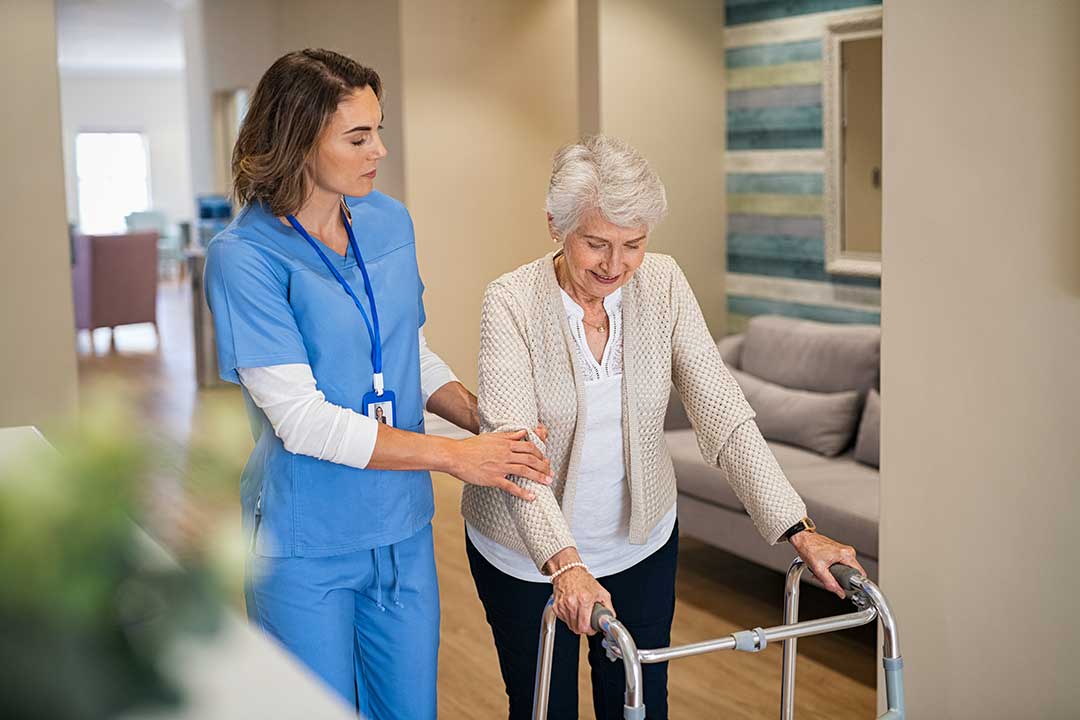
Staying active is one of the best ways to maintain strength and balance. For many in the local community, structured exercise classes or gentle group activities provide physical benefits and a sense of social belonging.
- Walking, gentle stretching, and chair exercises support leg strength and stability
- Balance-focused activities—like tai chi or simple standing exercises—can be practiced at home
- Activities should match each resident’s ability; pushing too hard can lead to discouragement or injury
During winter or rainy seasons, indoor options become especially valuable. Using local resources like community center classes or organized group walks inside facilities can keep routines consistent and enjoyable.
What Misconceptions Lead to Overlooked Risks?
A frequent misconception is that falls only happen to those who "aren't being careful." In reality, even active, alert residents in assisted living settings can trip due to sudden changes in health or environment. Assuming "it won’t happen to me" can prevent important precautions:
- Overconfidence in familiar spaces — falls often happen in a resident’s own room or bathroom
- Ignoring minor balance changes — small issues can signal bigger risks
- Believing that using a cane or walker is a sign of weakness — these tools are evidence of smart, proactive self-care
How Can Residents and Families Quickly Spot New Hazards?
Vigilance is key. Residents and visiting family members can perform quick, informal safety checks monthly:
- Are commonly used pathways clear?
- Has any new furniture or decor created obstacles?
- Are light bulbs working in all main areas?
- Is there extra water, ice, or other debris near entrances after storms or heavy use?
Simple, regular attention prevents many problems before they lead to a fall.
When Should Concerns Be Shared with Staff or a Medical Provider?
If a resident is noticeably unsteady, has new trouble walking, or has fallen—even just once—it merits a conversation with either community staff or a healthcare provider. Early intervention can address treatable causes and avoid more severe incidents. Also, if environmental conditions change—such as after renovations or changes in shared spaces—reporting concerns helps ensure swift correction.
